
Sterling Silver Jewelry
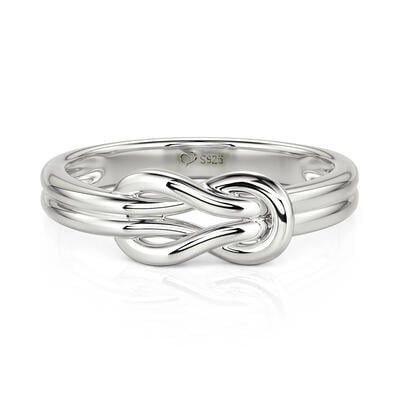
Jeulia Men's Modern Love Knot Ring in Sterling Silver
R 2 070,00

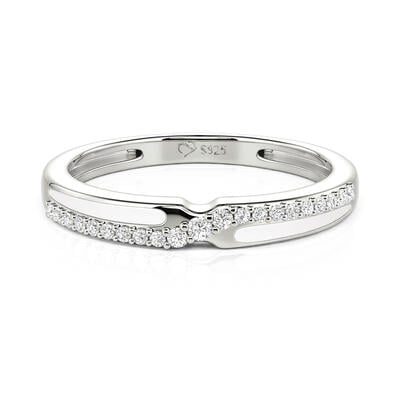
Jeulia Minimalist Twisted Wedding Band for Women
R 1 782,00
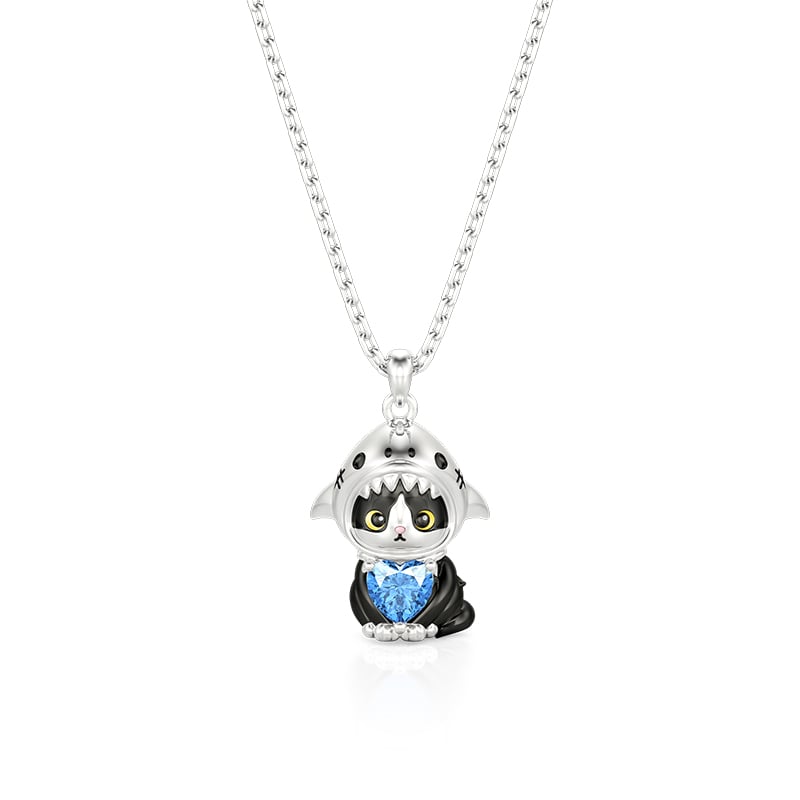
Jeulia Custom Cute Shark Cat Necklace With Heart Birthstone
R 2 862,00
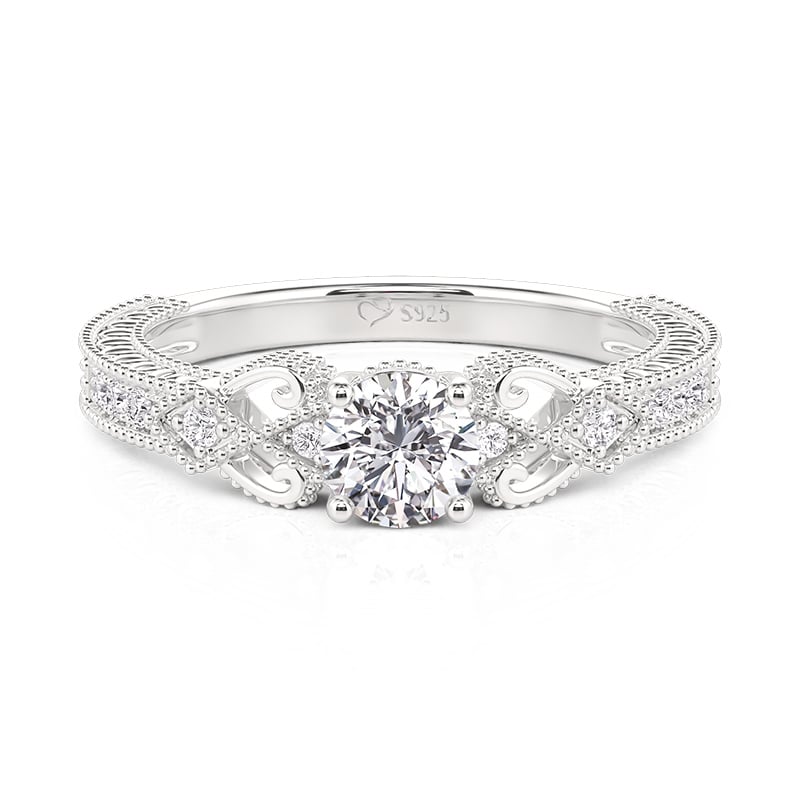
Jeulia Vintage Milgrain Round Cut Promise Ring Sterling Silver
R 1 962,00
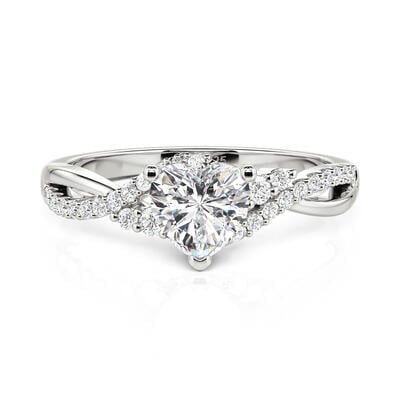
Jeulia Bypass Twist Heart Shaped Engagement Ring
R 2 070,00
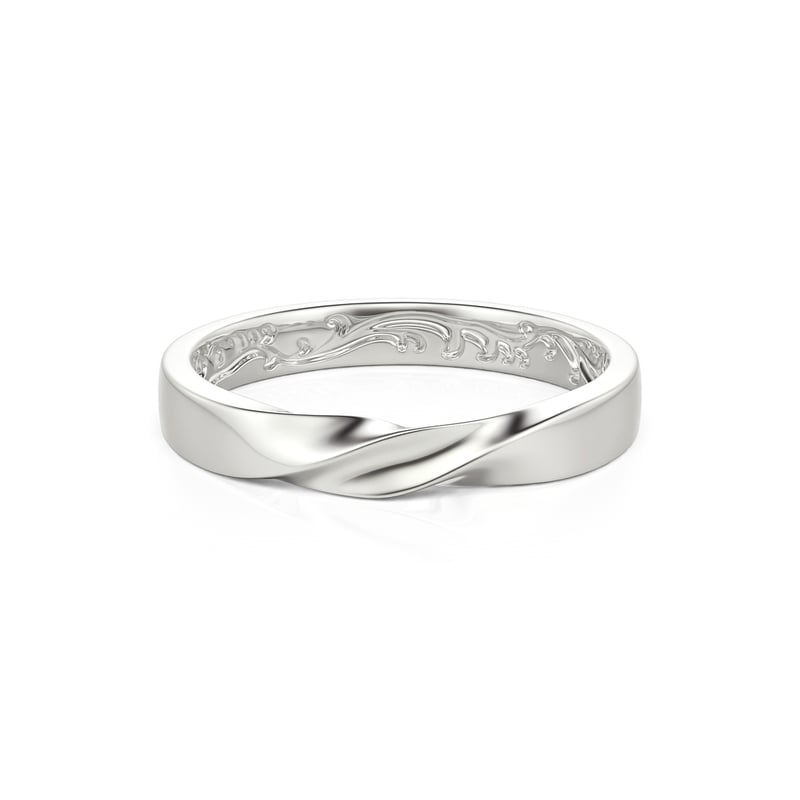
Jeulia Twisted Engraved Vine Silver Wedding Band for Men
R 2 142,00
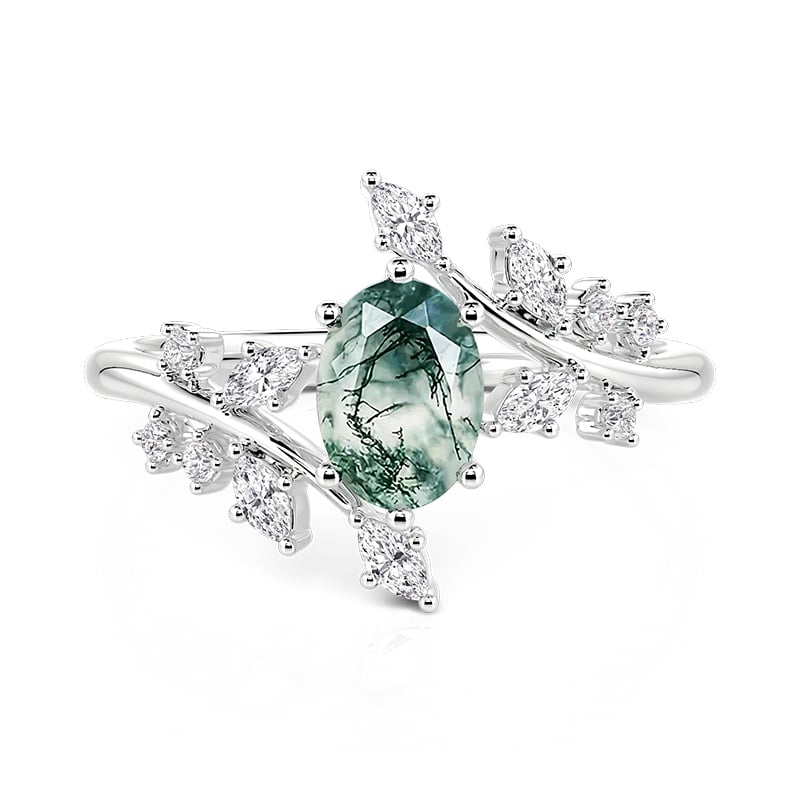
Jeulia Nature-Inspired Bypass Oval Moss Agate Engagement Ring
R 2 322,00
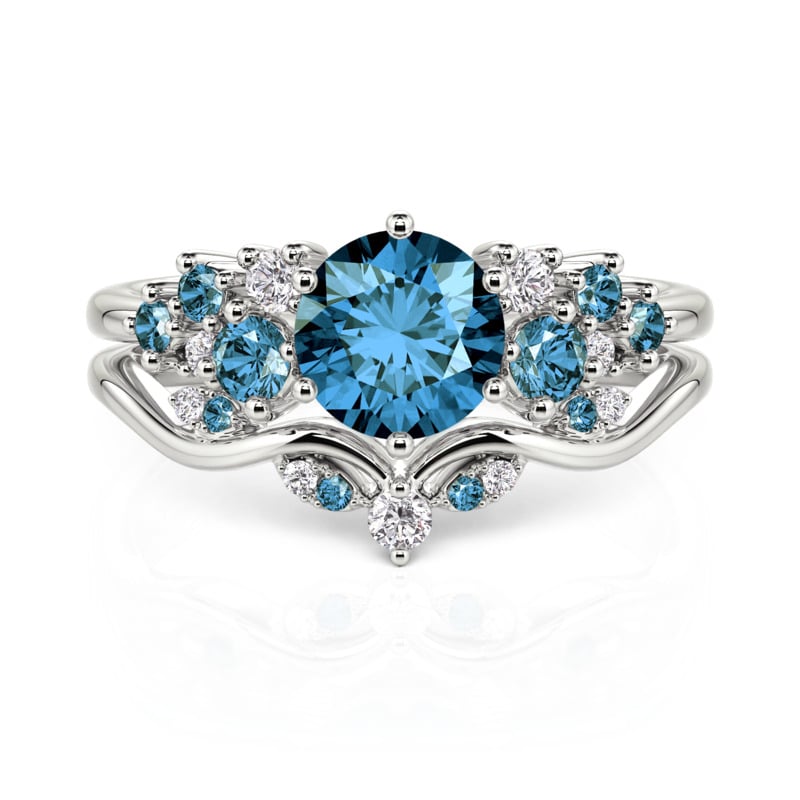
Jeulia “Song of the Spring” Blue Round Bridal Ring Set
R 2 790,00

Jeulia Sea Turtle Stud Earrings with Pear Cut Moss Agate
R 2 142,00
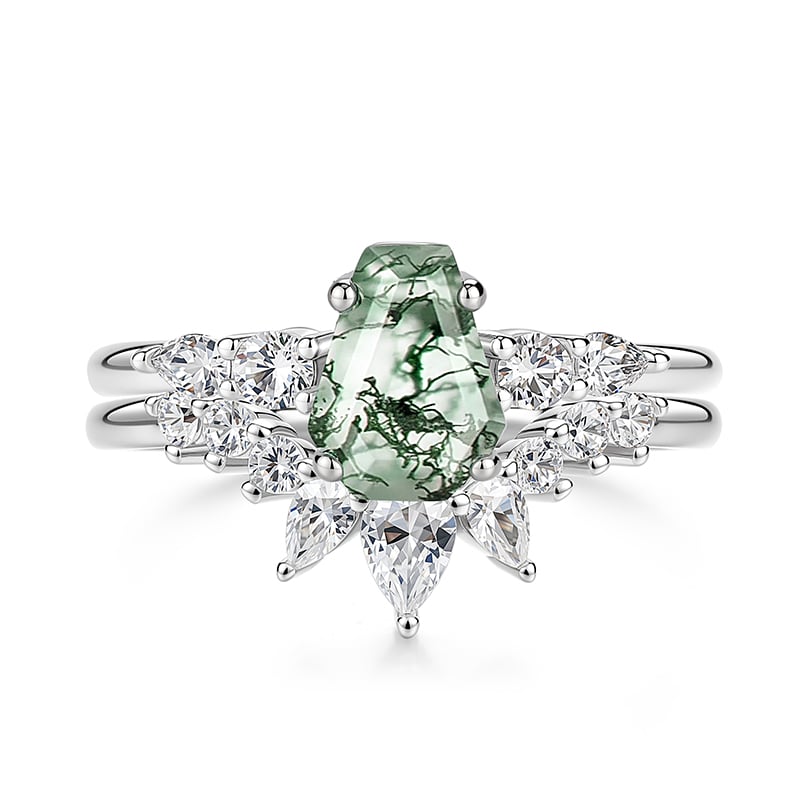
Jeulia Coffin Cut Moss Agate Bridal Set 2PCS Sterling Silver
R 3 222,00

Jeulia Flower and Butterfly Luminous Bracelet
R 1 962,00
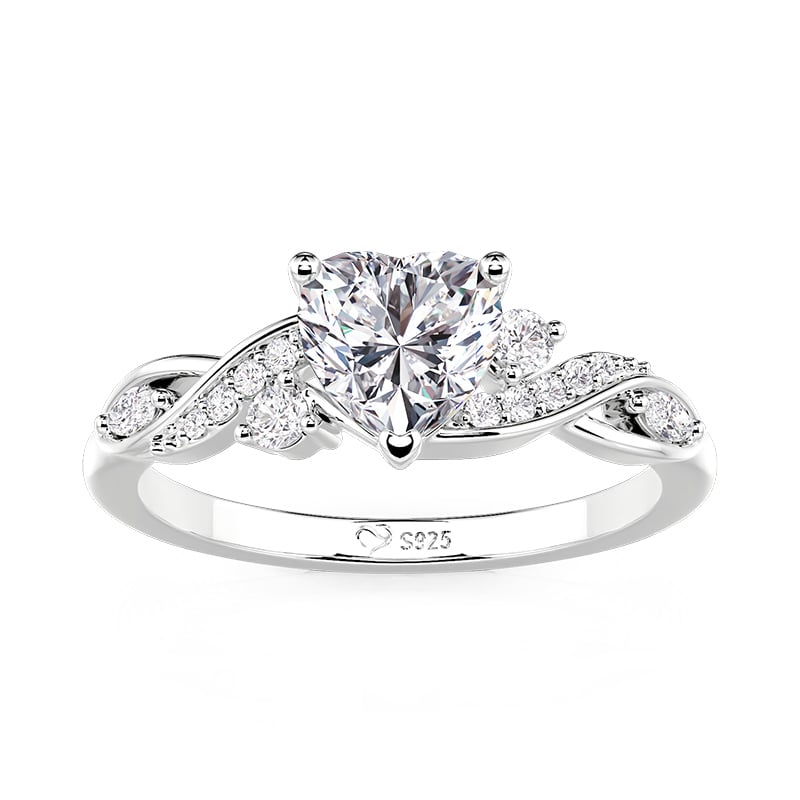
Jeulia Infinity Twisted Three-Stone Heart Cut Engagement Ring
R 1 962,00

Jeulia Petland Custom Shih Tzu Heart Necklace with Birthstone
R 2 250,00
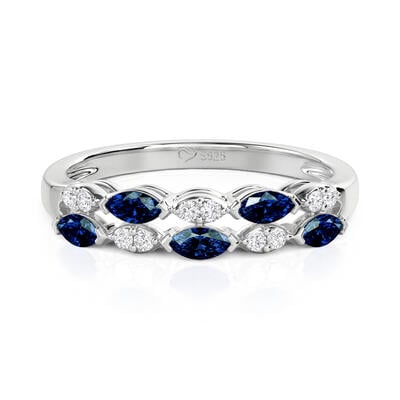
Jeulia Classic Double-Row Half Eternity Wedding Band
R 1 890,00
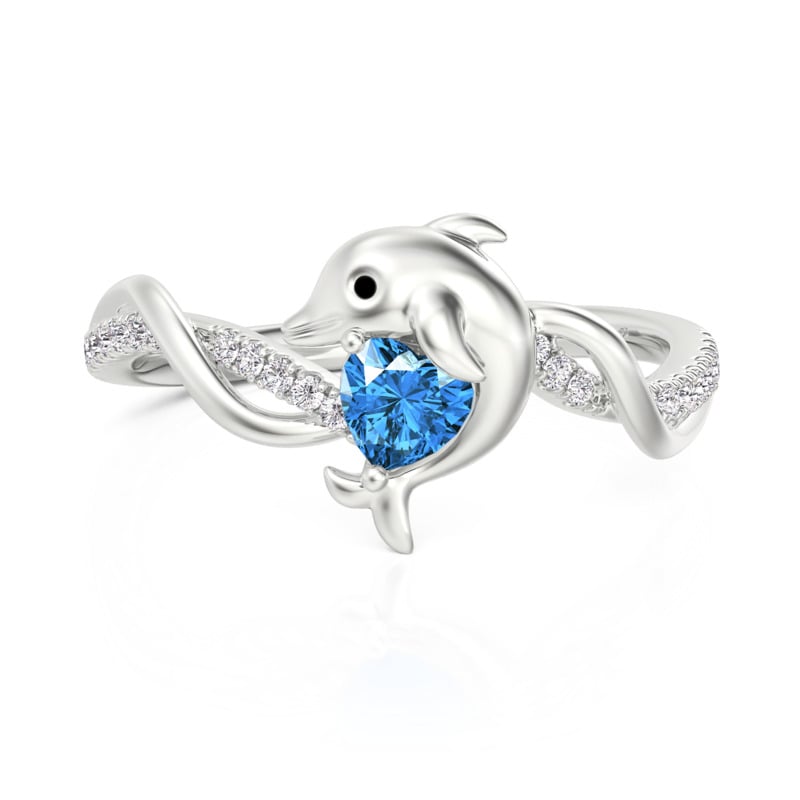
Jeulia Hug Me Twist Dolphin Ring with Custom Heart Birthstone
R 1 962,00
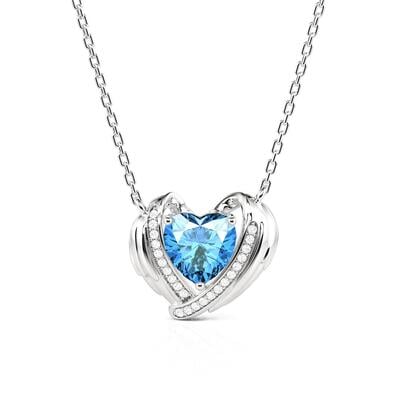
Jeulia Custom Angel Wing Necklace with Heart Birthstone
R 2 970,00
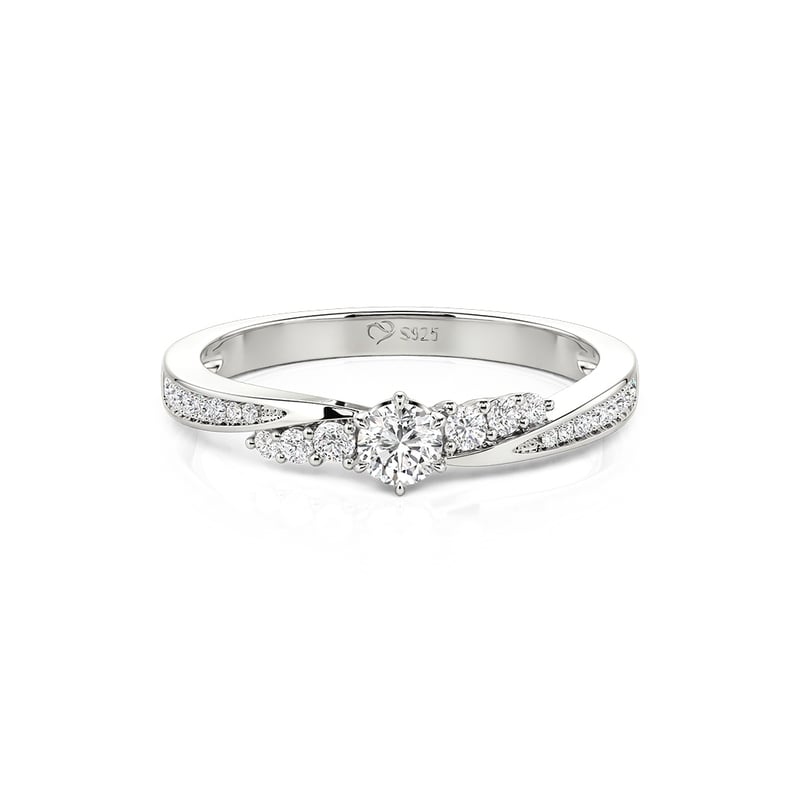
Jeulia Simple Round Cut Pave Bypass Promise Ring
R 1 782,00R 2 304,00
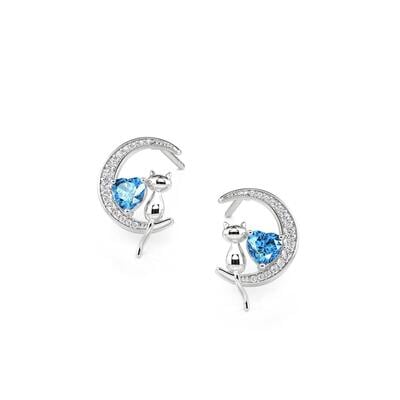
Jeulia Custom Cat on Moon Earrings with Heart Birthstone
R 1 962,00

Jeulia Oval Cut Bypass Engagement Ring Sterling Silver
R 2 142,00R 2 682,00
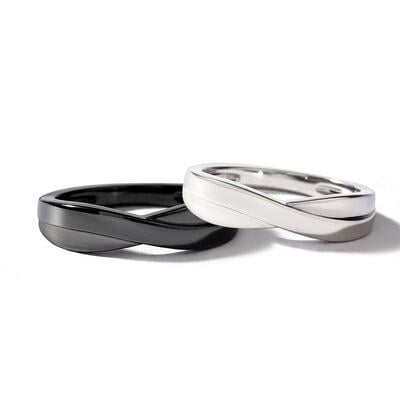
Jeulia Classic Crossover Couple Ring Set Sterling Silver
R 4 500,00
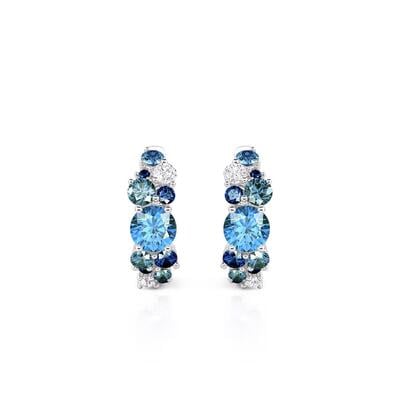
Jeulia Olivetta Multi‑Blue Hoop Earrings Sterling Silver
R 1 962,00
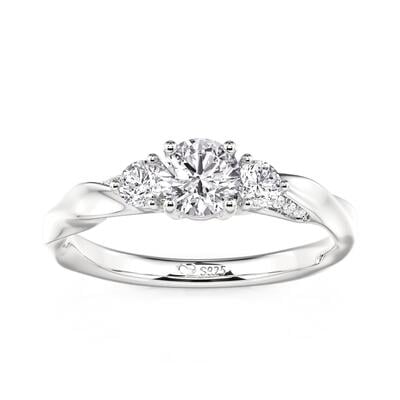
Jeulia Three Stone Twist Promise Ring Sterling Silver
R 2 070,00
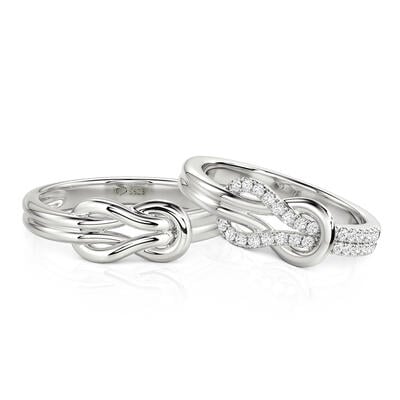
Jeulia Classic Love Knot Couple Ring Set in Sterling Silver
R 4 320,00R 4 716,00

Jeulia Curled Leaf Twist Moss Agate Wedding Ring for Men
R 3 222,00
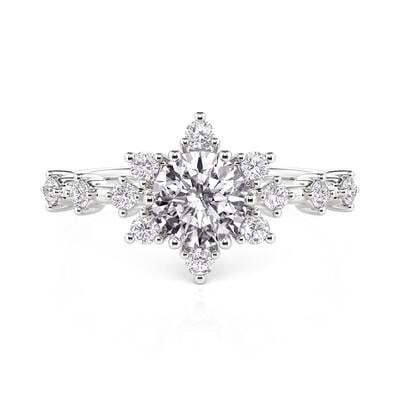
Jeulia Floral Halo Engagement Ring Sterling Sliver
R 2 142,00
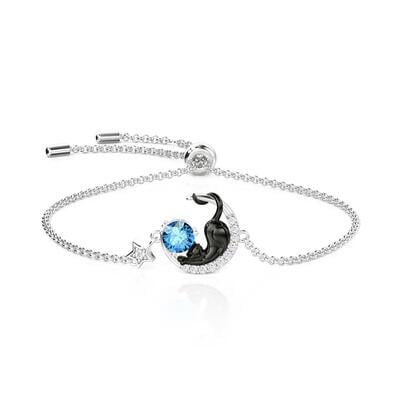
Jeulia Custom Black Cat Moon and Star Bracelet With Birthstone
R 2 970,00
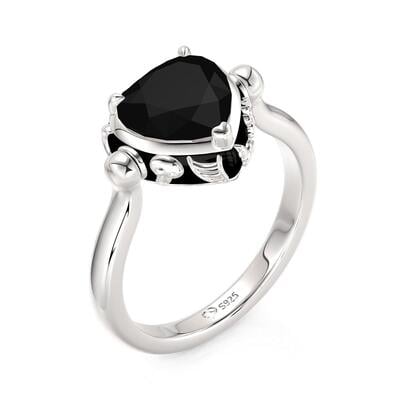
Jeulia Reversible Black Heart Ring in Sterling Silver
R 2 790,00
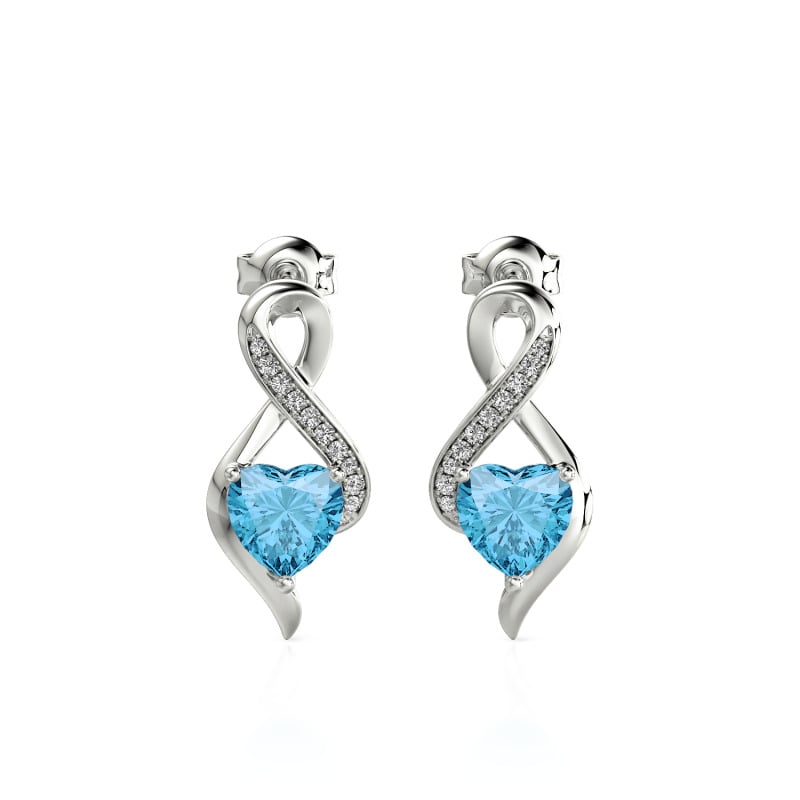
Jeulia Custom Twist Heart Earrings Sterling Silver
From R 2 790,00
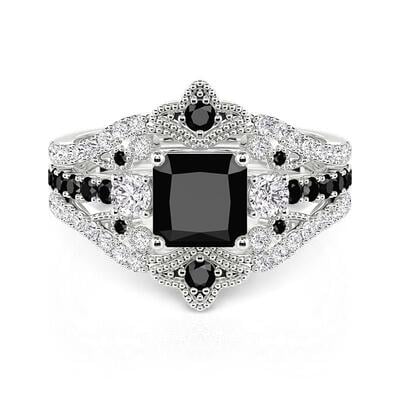
Jeulia Crown Three Stone Black Princess Cut Bridal Set
R 3 402,00
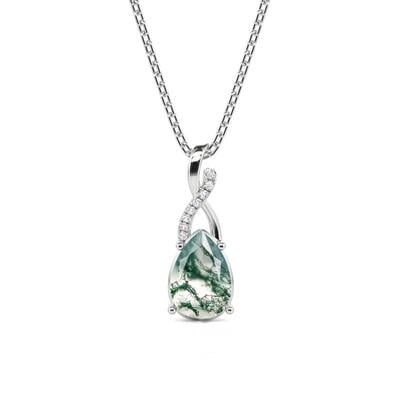
Jeulia Twist Pear Cut Moss Agate Necklace Sterling Silver
R 2 682,00
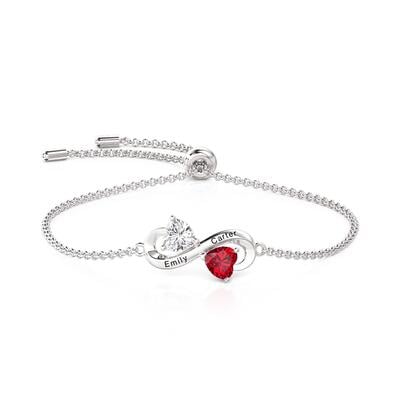
Jeulia Custom Name Infinity Bracelet with 2 Heart Birthstones
R 3 042,00
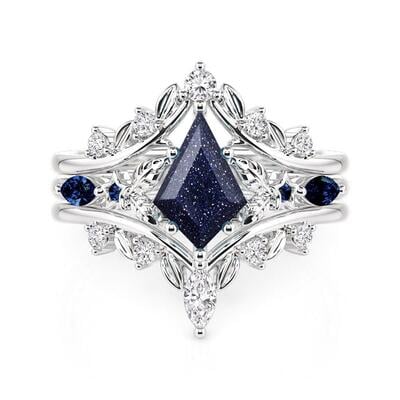
Jeulia Leaf Wrap Kite Cut Blue Sandstone Engagement Ring Set
R 3 942,00
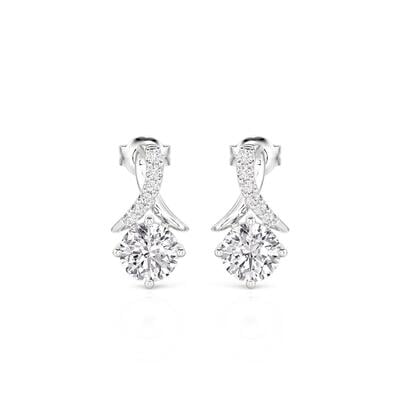
Jeulia Custom Classic Round Birthstone Stud Earrings
R 2 502,00
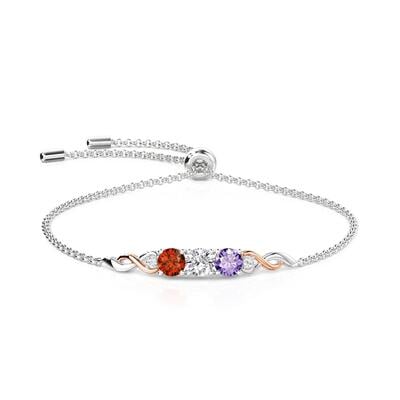
Jeulia Custom Infinity Two Tone Three Birthstones Bracelet
R 3 222,00
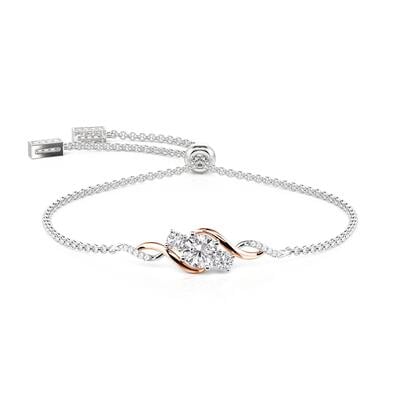
Jeulia Amore Elegant Two Tone Three Stone Bracelet
R 3 330,00
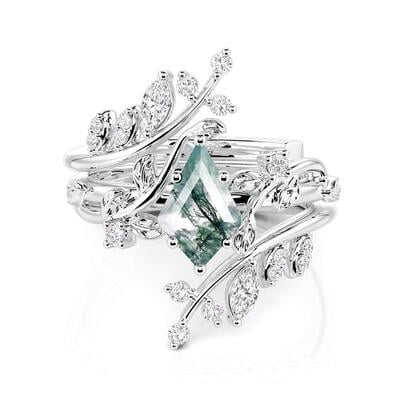
Jeulia Leaf Branch Kite Cut Moss Agate Bridal Set 2PCS
R 4 950,00
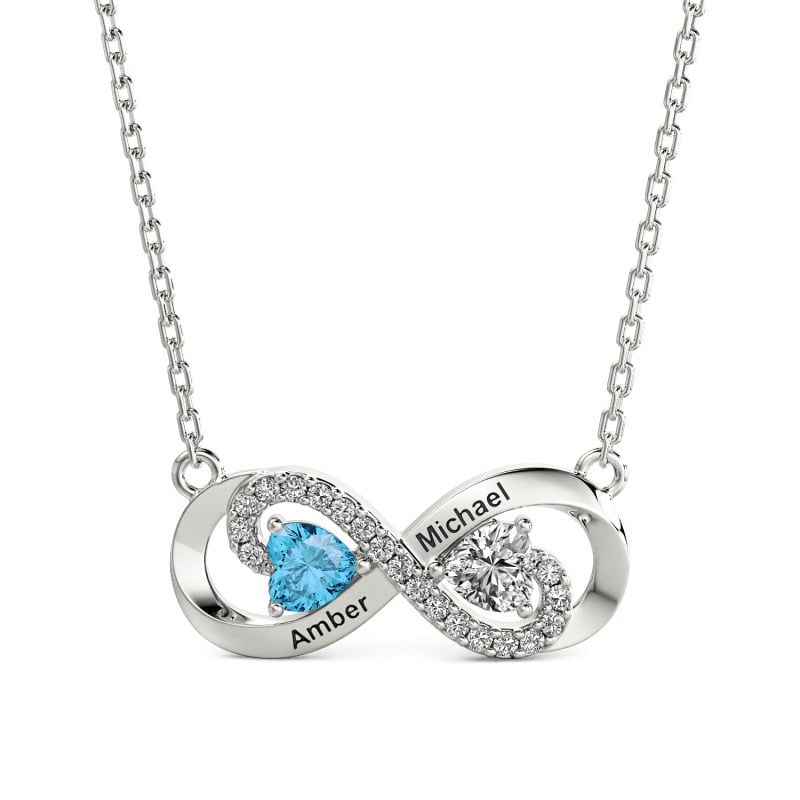
Jeulia Custom Engraved Double Infinity Heart Necklace
From R 2 322,00
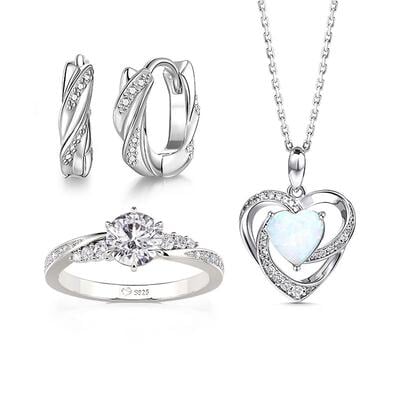
Jeulia Sparkling Twisted Sterling Silver Jewelry Set for Women
R 6 714,00R 7 200,00
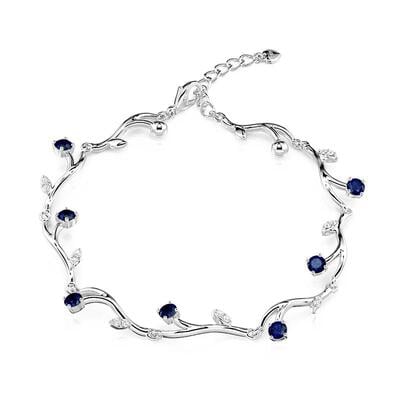
Jeulia Elegant Floral Leaf Bracelet with Sapphire Blue Stone
R 2 790,00
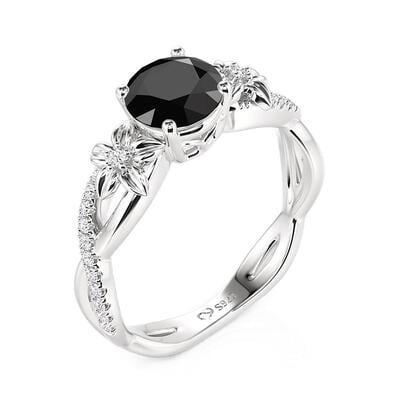
Jeulia Simple Twist Floral Black Round Cut Ring
R 2 322,00R 2 862,00
- 1
- 2


Sterling Silver Jewelry
In the vast and sparkling world of accessories, trends come and go. But one material has held its ground for centuries, consistently capturing the hearts of Americans from coast to coast: sterling silver. More than just a precious metal, sterling silver jewelry is a versatile, affordable, and enduring symbol of style and sophistication.
Whether you’re drawn to the minimalist aesthetic, love making a bold statement, or are searching for a meaningful gift, sterling silver offers something for everyone. Let’s dive into why this classic metal remains a cornerstone of the US jewelry scene.
Sterling silver is defined as 92.5% pure silver and 7.5% other metals, most commonly copper. This blend creates the perfect balance of beauty and resilience, ideal for crafting rings, necklaces, bracelets, and earrings that can be worn and cherished for a lifetime. You’ll often see this ratio stamped on genuine pieces as .925—a mark of its quality and authenticity.
Why Sterling Silver Reigns Supreme in the US
1. Unbeatable Versatility: Sterling silver is the ultimate chameleon. Its cool, luminous sheen provides a perfect neutral backdrop. It pairs effortlessly with gold for a modern mixed metals look, complements the warm tones of rose gold, and makes gemstones of every color truly pop. From a simple pair of hoops you wear to the grocery store to an intricate, gemstone-encrusted statement necklace for a black-tie event, sterling silver seamlessly transitions through any occasion and style.
2. Remarkable Affordability: Compared to other precious metals like platinum or gold, sterling silver offers incredible value. This accessibility allows you to build a diverse, high-quality jewelry collection without a massive investment. It’s the perfect entry point for those new to fine jewelry and a favorite for seasoned collectors looking to add unique pieces without breaking the bank.
3. Durability for Everyday Wear: Thanks to its strengthened alloy, sterling silver is built to last. With proper care, it can withstand the rigors of daily life, making it perfect for signature pieces you never take off, like a cherished pendant or a birthstone ring.
4. A Hypoallergenic Hero: For many with sensitive skin, wearing jewelry can be a challenge. Sterling silver is generally hypoallergenic, making it a safe and comfortable choice for most people. (Note: Some individuals may be sensitive to the copper alloy. In these cases, looking for nickel-free sterling silver is recommended).
Sterling silver is more than an accessory; it’s a canvas for personal expression. It’s the locket that holds a cherished photo, the charm bracelet that tells the story of your life, the engagement ring that symbolizes a promise, and the simple ring you bought for yourself to mark a personal achievement.
Its timeless appeal lies in its ability to be both classic and contemporary, both humble and luxurious. So, whether you’re adding to your collection or choosing a gift that will be treasured, you can never go wrong with the enduring beauty of sterling silver.
Read More