
Jeulia Engagement Rings
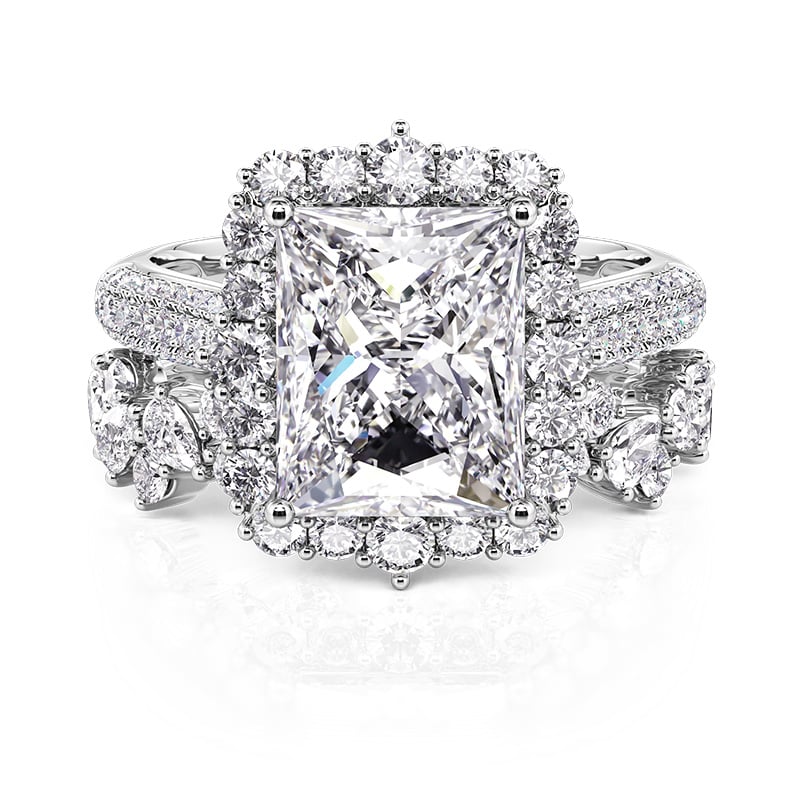
Jeulia Vintage Halo Radiant Engagement Ring Set Sterling Silver
R 3 690,00

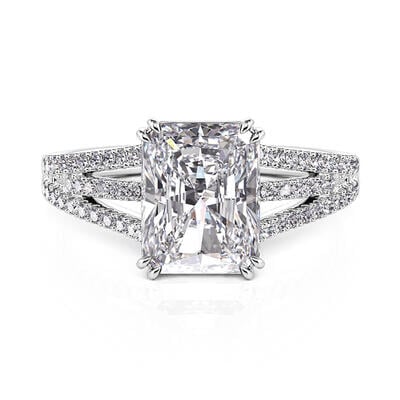
Jeulia Radiant Cut Engagement Ring Pave Setting Sterling Silver
R 2 502,00R 3 240,00
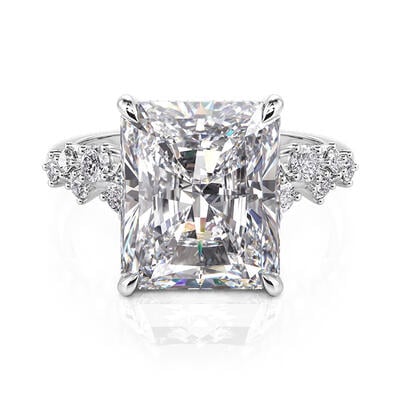
Jeulia Heart Beat Radiant Cut Engagement Ring Sterling Silver
R 2 142,00R 3 582,00
Final Sale
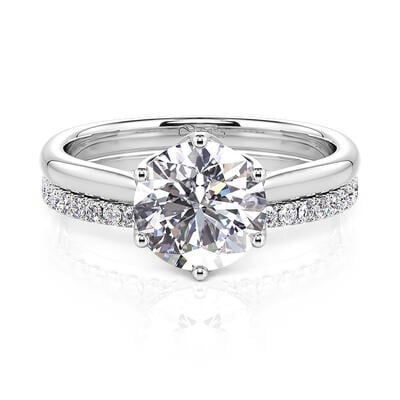
Jeulia Simple Flower Engagement Ring Set Sterling Silver
R 2 970,00
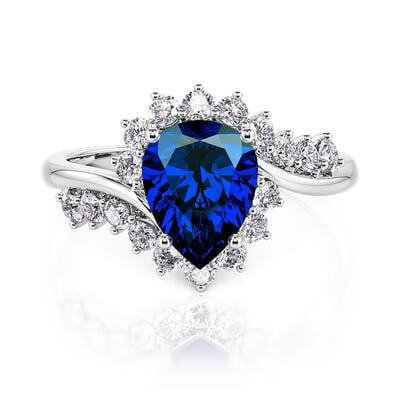
Jeulia Art Deco Halo Sapphire Pear Cut Engagement Ring Sterling Silver
R 2 610,00
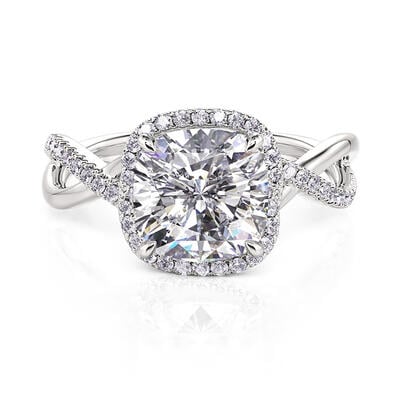
Jeulia Twist Knot Design Halo Cushion Cut Engagement Ring Sterling Silver
R 2 610,00
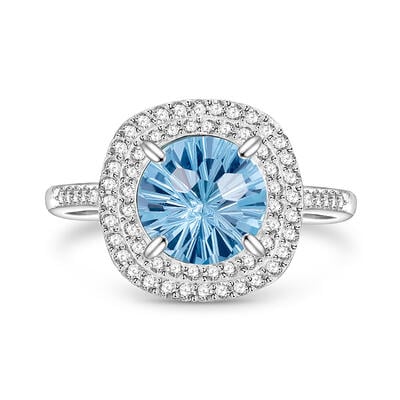
Jeulia Topaz Double Halo Open Engagement Ring Sterling Silver
R 1 602,00R 2 502,00
Final Sale
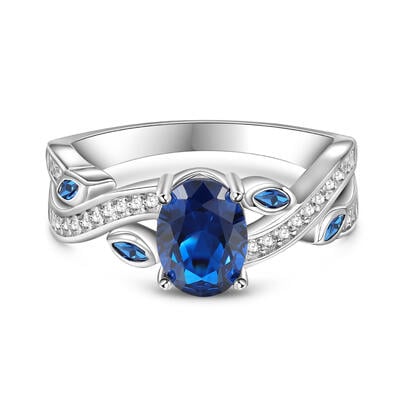
Jeulia Twist Leaves Blue Sapphire Engagement Ring Sterling Silver
R 2 142,00
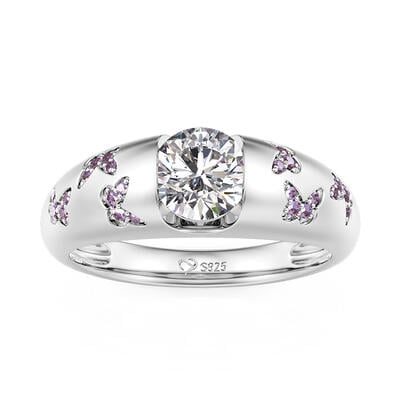
Jeulia Pink Butterfly Engagement Ring Round Cut Sterling Silver
R 2 790,00
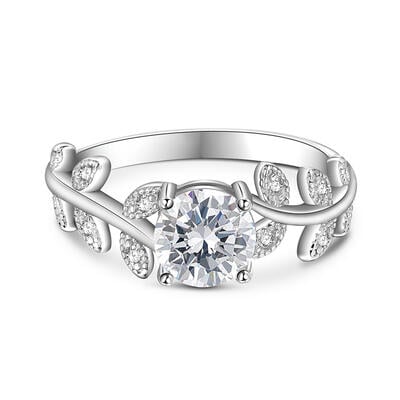
Jeulia Leaf Vine Round Solitaire Engagement Ring Sterling Silver
R 1 890,00
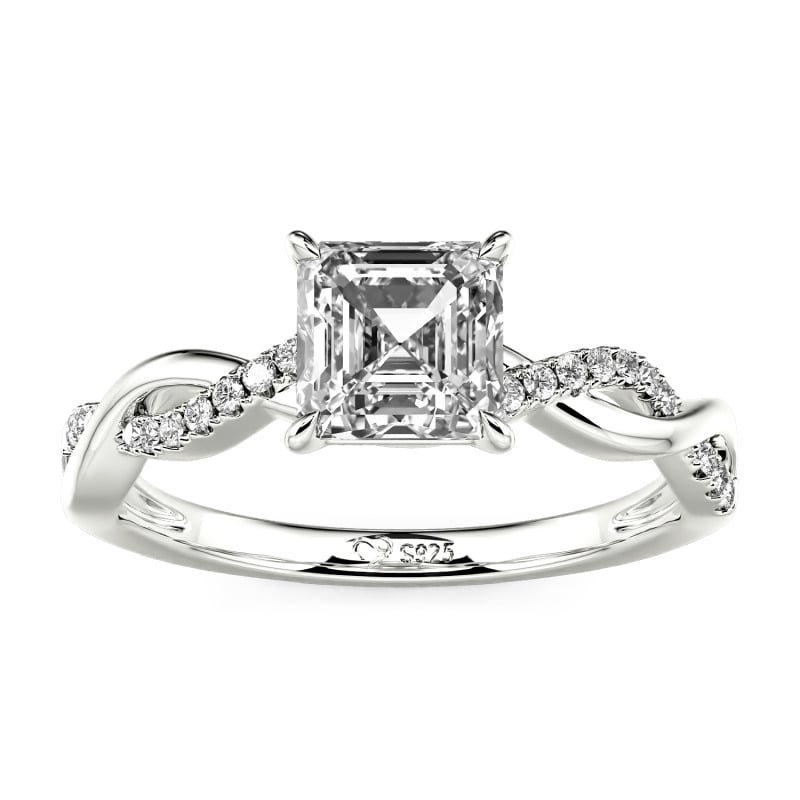
Jeulia Cool Custom Asscher Engagement Ring Twist Design
From R 16 830,00
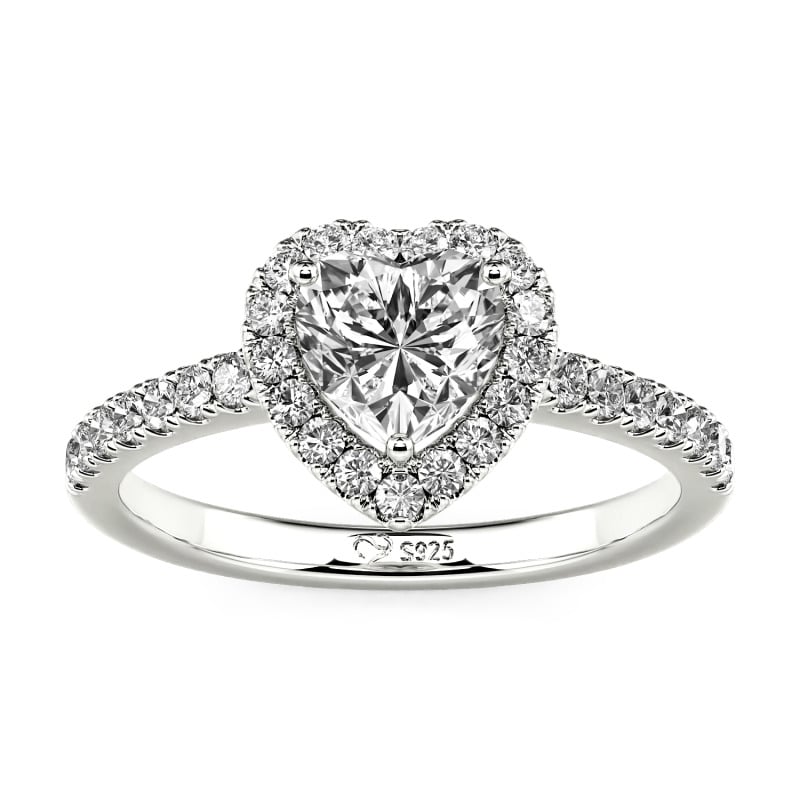
Jeulia Vintage Custom Halo Heart Engagement Ring
From R 17 190,00
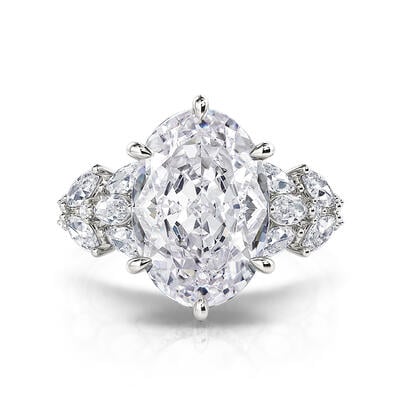
Jeulia Leaves Side Design Oval Cut Engagement Ring Sterling Silver
R 2 610,00R 3 042,00
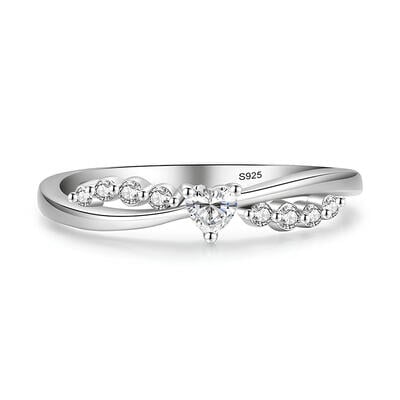
Jeulia Twist Cherished Heart Engagement Ring Sterling Silver
R 1 602,00
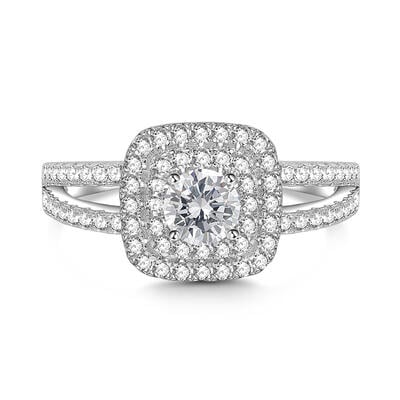
Jeulia Classic Double Halo Engagement Ring Sterling Silver
R 1 962,00
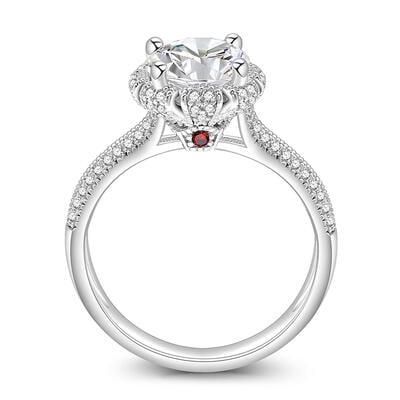
Jeulia "Queen's Crown" Vintage Halo Engagement Ring Sterling Silver
R 2 790,00
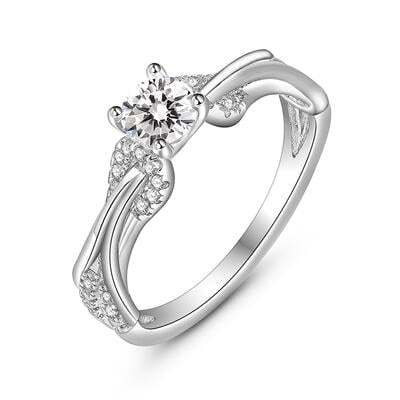
Jeulia Knot Infinity Engagement Ring Round Cut Sterling Silver
R 2 322,00
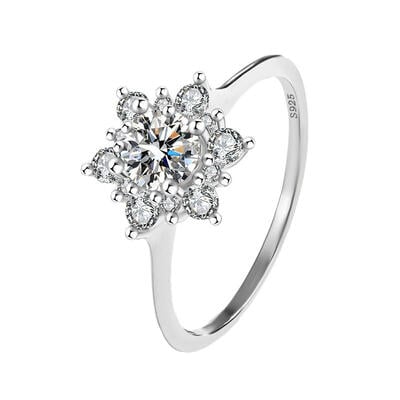
Jeulia Snowflake Solitaire Engagement Ring Sterling Silver
R 1 710,00
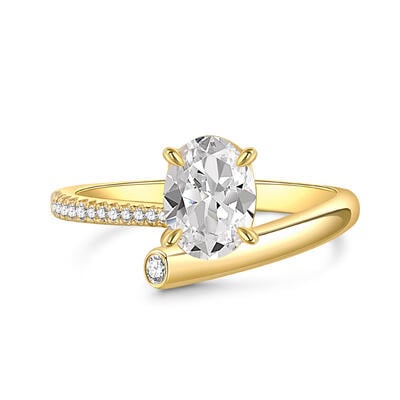
Jeulia Bypass Gold Oval Cut Engagement Ring Sterling Silver
R 2 322,00
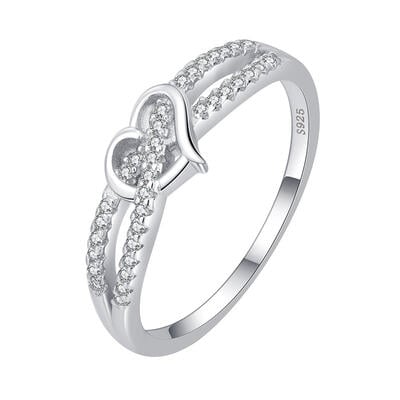
Jeulia Classic Twist Knot Heart Engagement Ring Sterling Silver
R 1 530,00R 2 322,00
Final Sale
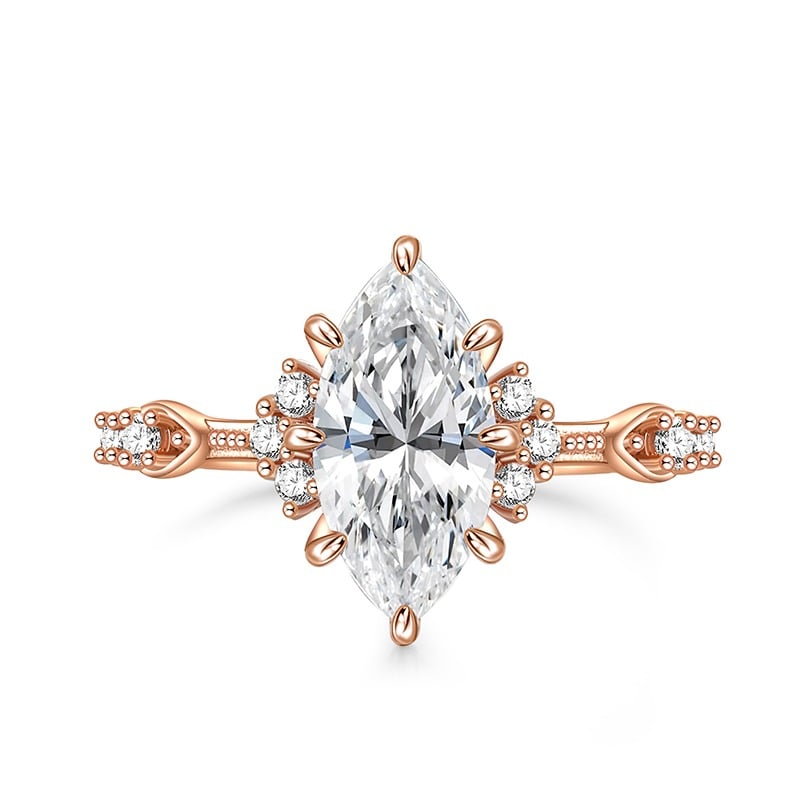
Jeulia Vintage Marquise Engagement Ring Sterling Silver
R 2 142,00
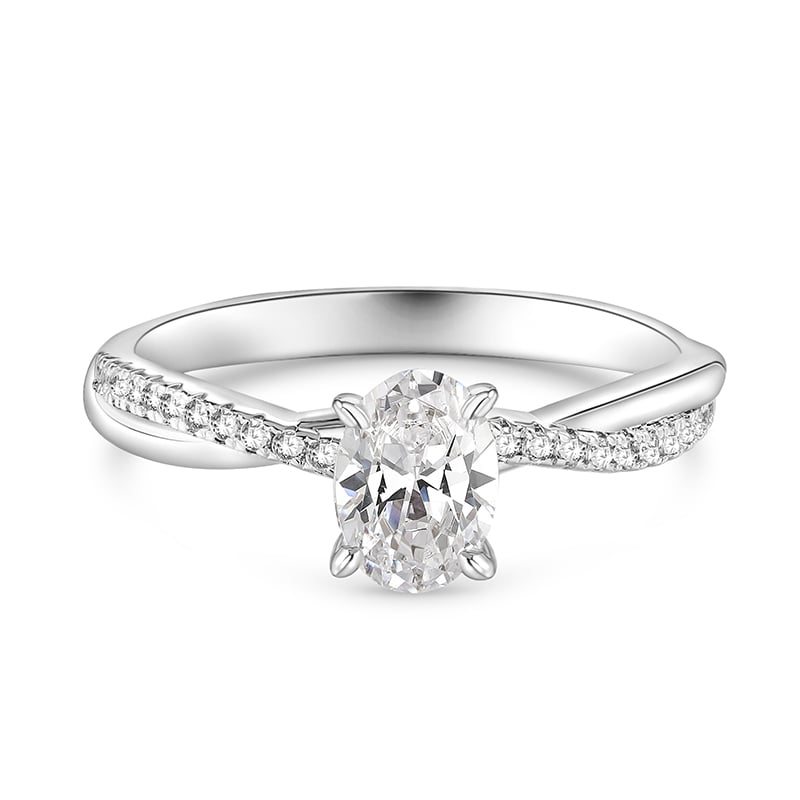
Jeulia Vintage Oval Engagement Ring Twisted Sterling Silver
R 2 070,00
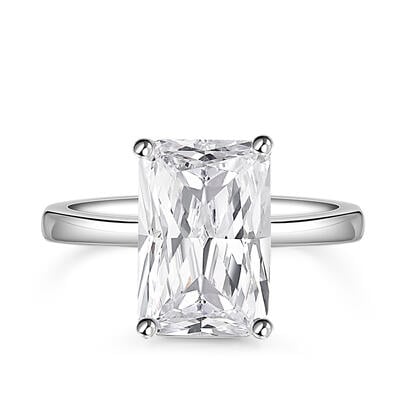
Jeulia Classic Radiant Engagement Ring Sterling Silver
R 2 682,00
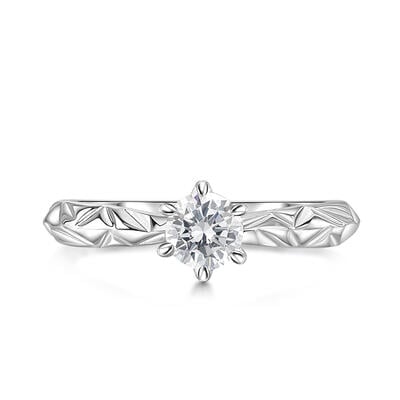
Jeulia Crease Design Solitaire Engagement Ring Sterling Silver
R 2 322,00
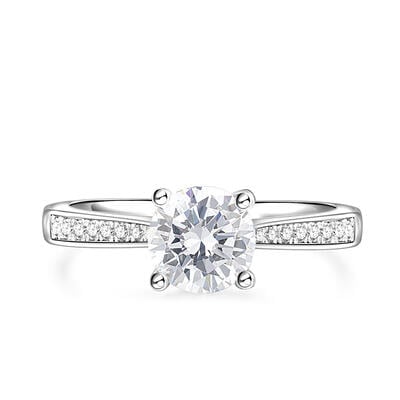
Jeulia Solitaire Engagement Ring Channel Set Side Stone Sterling Silver
R 2 250,00
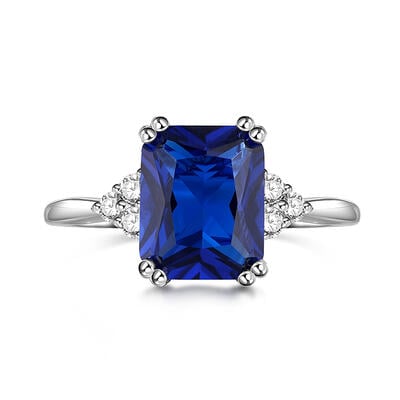
Jeulia Classic Emerald Cut Sterling Silver Engagement Ring
R 2 142,00
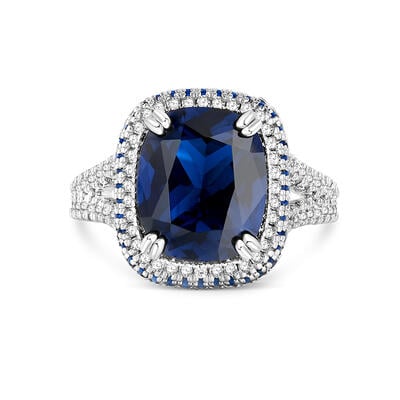
Jeulia "Blue Fantasy" Side Halo Cushion Cut Sterling Silver Engagement Ring
R 3 042,00

Jeulia Bypass Oval Cut Sterling Silver Engagement Ring
R 1 710,00R 2 790,00
Final Sale
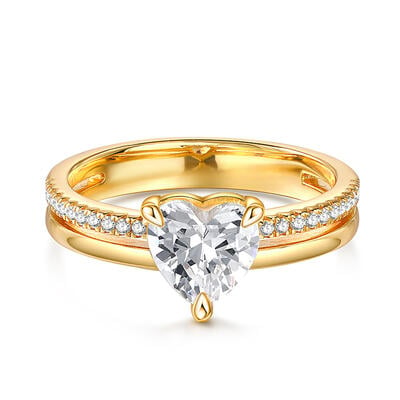
Jeulia Heart Cut Double Shank Sterling Silver Engagement Ring
R 2 862,00
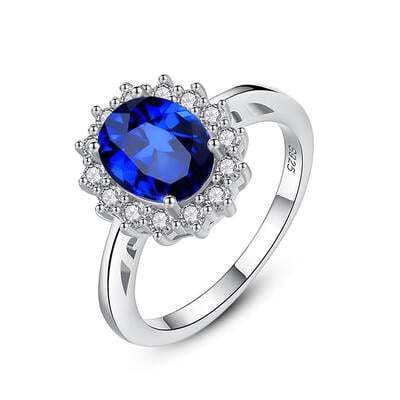
Jeulia Classic Halo Oval Cut Sterling Silver Engagement Ring
R 1 962,00
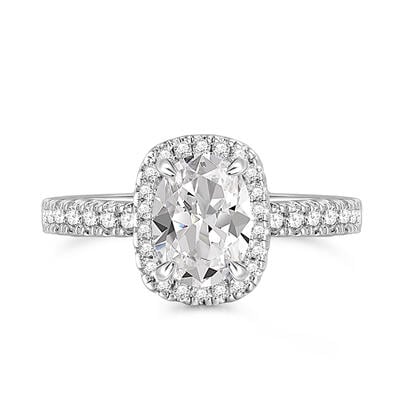
Jeulia Halo Oval Cut Sterling Silver Engagement Ring
R 2 430,00R 2 916,00
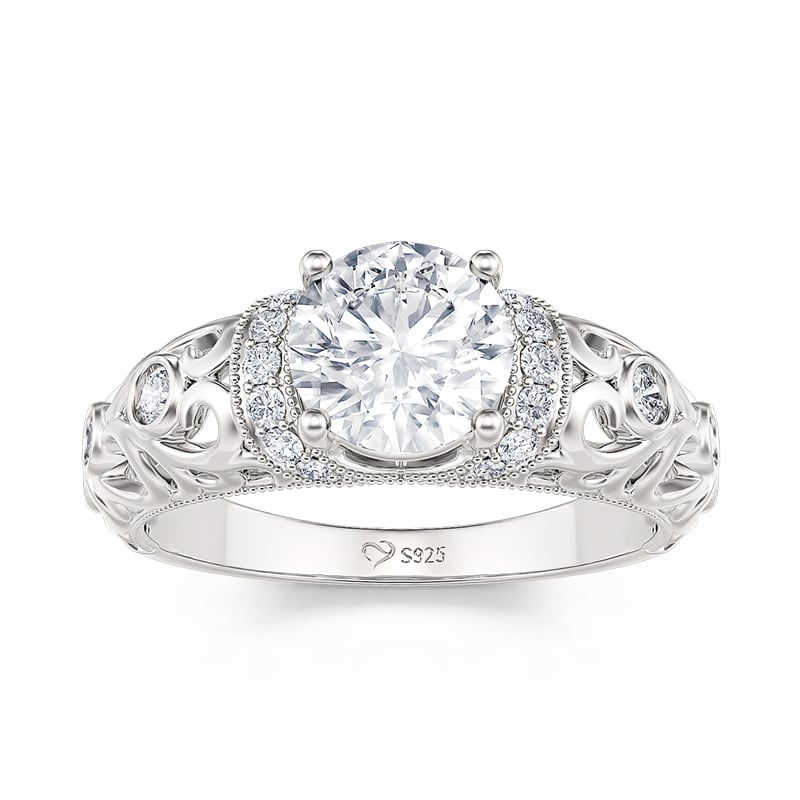
Jeulia Vintage Beaded Round Cut Sterling Silver Engagement Ring
R 2 610,00
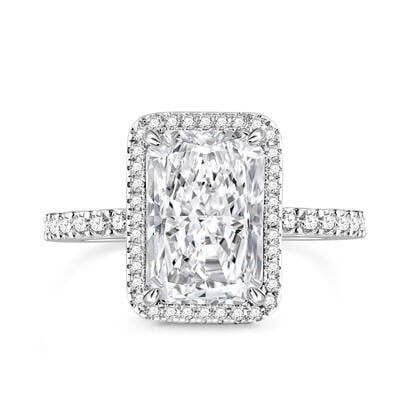
Jeulia Classic Radiant Cut Sterling Silver Engagement Ring
R 2 970,00
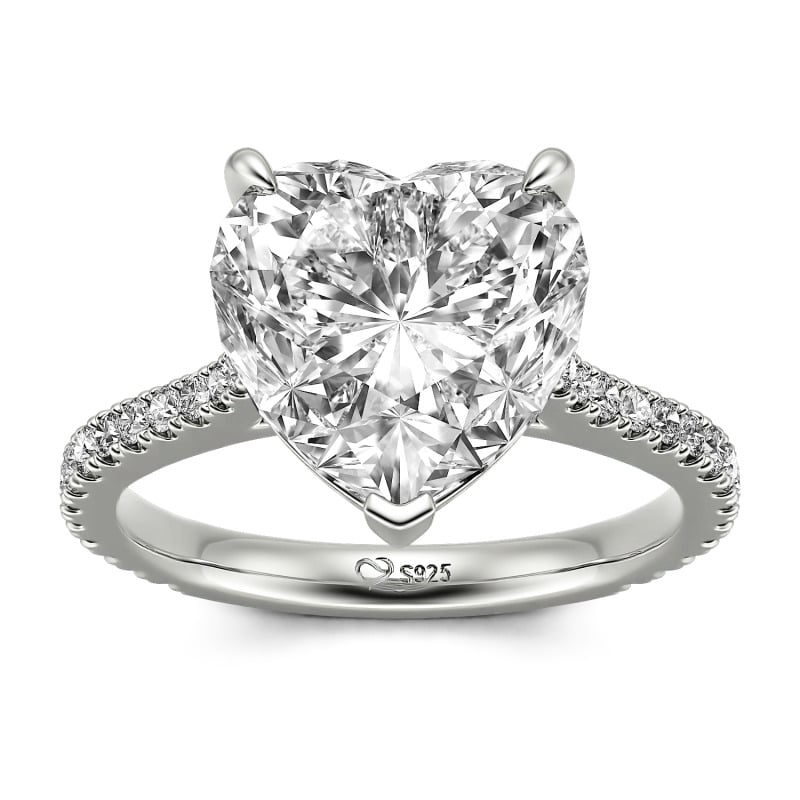
Jeulia Heart Cut Sterling Silver Engagement Ring
From R 2 502,00
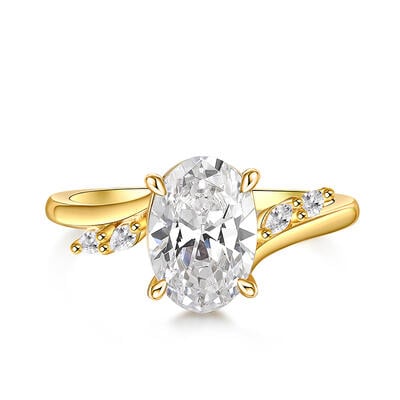
Jeulia Oval Cut Gold Tone Sterling Silver Engagement Ring
R 2 142,00
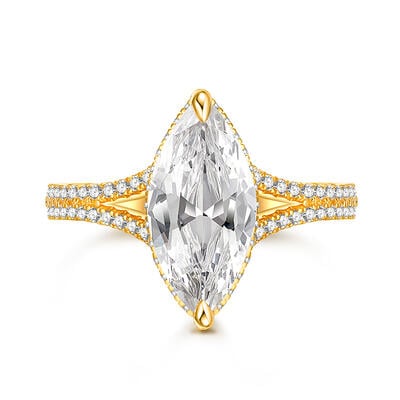
Jeulia Split Shank Marquise Cut Sterling Silver Engagement Ring
R 2 502,00
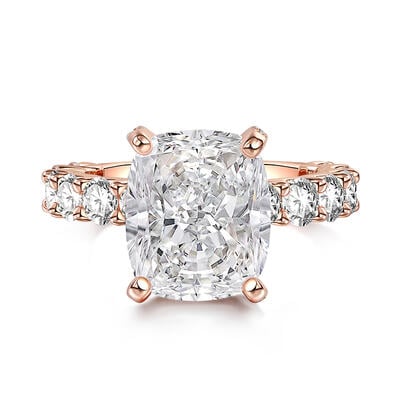
Jeulia Fat Oblong Sterling Silver Engagement Ring
R 2 682,00
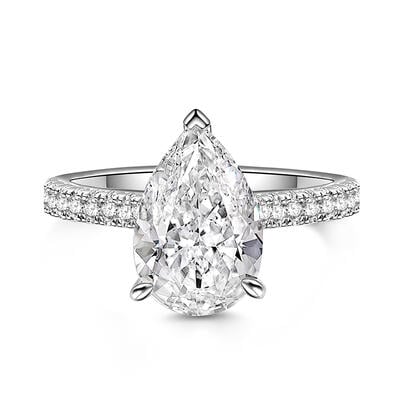
Jeulia Pear Cut Sterling Silver Engagement Ring
R 2 250,00
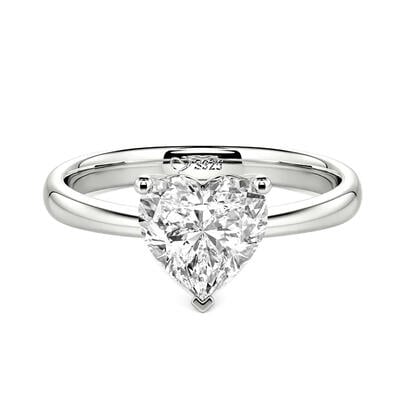
Jeulia Heart Cut Solitaire Sterling Silver Engagement Ring
R 2 682,00R 3 456,00
Next Page


Engagement Rings
Check Their Jewelry: Look at the jewelry they wear daily. Do they favor gold or silver? Are their pieces dainty or chunky? Their current collection is the best roadmap to their taste.
Set a Budget, Not a Deadline: Don’t feel pressured by the two months' salary myth. A ring should be a beautiful start to your life together, not a source of financial stress. Buy the best quality you can comfortably afford.
Shopping for an engagement ring is a deeply personal and significant milestone that blends emotional sentiment with practical considerations. The process typically begins by determining a style that reflects your partner’s unique personality, whether they prefer the timeless elegance of a solitaire diamond, the intricate detailing of a vintage-inspired setting, or the modern appeal of a unique gemstone.
As you explore your options, it is essential to establish a comfortable budget and educate yourself on the Four Cs—cut, color, clarity, and carat—to ensure you are making an informed investment. Whether you choose to work with a boutique jeweler to design a custom piece or browse curated collections online, the journey of selecting the perfect ring is the first step in a beautiful lifelong commitment.
Who says it has to be a diamond? Today’s couples are increasingly opting for expression over tradition. Lab-grown diamonds offer the exact same chemical makeup as mined diamonds at a lower price point. Meanwhile, gemstones like sapphires, emeralds, moss agate or moissanite are gaining popularity for their durability and unique, vivid colors.
At the end of the day, an engagement ring is a reflection of your commitment. Whether it’s a vintage heirloom, a lab-grown oval, or a custom-designed masterpiece, the most beautiful ring is the one that sits on your partner's finger while they say Yes.
Read More